June 2025 Clinical Recap
Jake Goll, PharmD (jake.goll@theprismhealthgroup.com) serves as the clinical consultant at Prism Health Group, where he provides end-to-end oversight of clinical strategy through in-depth data analysis, proactive consultation, and subject matter expertise.
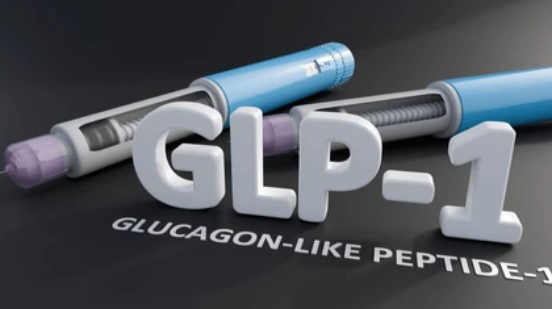
Weight Regain After GLP-1 Discontinuation
One of the more frequently discussed challenges in the management of weight loss medications is understanding what happens when therapy is discontinued. Numerous studies have confirmed what many clinicians have already observed: patients often regain a significant portion of the weight they had lost after stopping treatment. This is primarily because the drug’s appetite-suppressing effects disappear once treatment is discontinued. A widely cited clinical trial from a few years ago demonstrated that individuals who stopped once-weekly GLP-1 therapy regained approximately two-thirds of their weight loss within one year.
Last month, a study from the University of Oxford compared weight regain after discontinuation of older GLP-1s (e.g., Victoza) and newer agents (e.g., Wegovy and Mounjaro). While Victoza and Mounjaro are not FDA-approved for weight loss, their counterparts with the same active ingredient, Saxenda and Zepbound, are. The study found that patients on newer agents lost more weight (average 35.5 lbs) but regained it faster at 1.8 lbs per month (vs. 1.5 lbs per month for the class as a whole), projecting full return to baseline weight within 1.7 years.
These findings present a significant challenge for both clinicians and payers. Many health plans that currently cover weight loss drugs are reevaluating their coverage due to high and often unsustainable costs. However, there are currently no established guidelines on how to “appropriately” discontinue GLP-1 medications. There is a lack of formal research on tapering strategies or other discontinuation approaches that could mitigate weight rebound. Moving forward, manufacturers should be encouraged to invest in studies evaluating therapy discontinuation, as these insights will be essential for developing clinical pathways that promote sustainable weight management and guide providers in effectively tapering patients off medication when appropriate.
Scalpel vs. Syringe: Clinical and Economic Evaluation of Bariatric Surgery vs. GLP-1s
A real-world study presented on June 17th by NYU Langone Health and NYC Health + Hospitals at the 2025 American Society for Metabolic and Bariatric Surgery meeting compared the effectiveness of GLP-1 medications and bariatric surgery for weight management. After two years, patients who underwent bariatric surgery lost an average of 58 pounds (24% total body weight), compared to just 12 pounds (4.7%) in patients on GLP-1 therapy for at least six months. While the longer follow-up period for surgery allowed more time for weight loss, GLP-1 users who remained on therapy continued to lose weight, reaching an average of 7% total weight loss, still significantly less than surgical outcomes.
The president of the ASMBS acknowledged that both approaches support weight loss but emphasized the greater effectiveness and durability of bariatric surgery. While such statements warrant scrutiny given potential bias (this was presented at a conference tailored towards bariatric surgeons), the data align with prior studies showing longer-term weight maintenance post-surgery. GLP-1 outcomes are often impacted by high discontinuation rates and rebound weight gain following treatment cessation.
From a cost perspective, bariatric surgery typically represents a one-time cost between $17,000 and $26,000, excluding potential complications that may accompany the procedure. In contrast, annual net costs for GLP-1s like Wegovy and Zepbound are estimated at $9,645 and $9,180, respectively, raising long-term affordability concerns for chronic use.
Novo’s Missed Payment Is Bringing Generic Ozempic to the Market
…In Canada.
This story starts back in 2019, when Novo Nordisk failed to pay a $250 annual patent maintenance fee for semaglutide in Canada. Canada issued a $450 late fee and gave them a one-year grace period, but Novo never paid. According to Canadian authorities, once a patent lapses, it’s gone for good. It can’t be revived.
Considering Ozempic is protected in the U.S. until 2032, it raises the question: was this a costly oversight or something more strategic? While it seems accidental, Novo’s response was defensive: “All intellectual property decisions are carefully considered at a global level. Periods of exclusivity for pharmaceutical products end as part of their normal lifecycle…”
Regardless, the wheels are now in motion. Sandoz has filed to launch a generic semaglutide in Canada, with approval expected in early 2026 when the patent officially expires. No pricing has been released yet, but we expect international sourcing programs are paying close attention, as this could be the first opportunity to access generic semaglutide (outside of now-illegal compounding programs) well before U.S. exclusivity ends.
While net costs vary depending on rebate contracts, Ozempic’s estimated post-rebate cost is around $6,485 annually. With manufacturer assistance, that could drop to $5,285. Whether sourcing a Canadian generic makes financial sense will come down to its price point and any associated program fees. Plan sponsors should also confirm that their international sourcing partner has strong utilization management criteria in place, both PA and quantity limits, to ensure safe and appropriate use.
No Movement Yet on MFN Drug Pricing Order
The 30-day deadline for pharmaceutical manufacturers to respond to the Trump administration’s Executive Order on “Delivering Most-Favored-Nation Prescription Drug Pricing to American Patients” has quietly passed, with no formal updates or pricing proposals disclosed.
The Executive Order, issued on May 12, directed HHS to communicate most-favored-nation (MFN) price targets to manufacturers within 30 days, aiming to bring U.S. drug prices in line with those in other developed countries. So far, there has been no official word from the administration, and the primary public commentary has come from industry executives.
At the Goldman Sachs global healthcare conference in June, Pfizer CEO Albert Bourla stated that the company has held meetings with the administration, describing them as “cordial” but high-level, with no commitments and limited discussion of the specifics. Bourla also noted that his conversations with lawmakers suggest there is “no appetite” for MFN legislation, though he added that the administration appears focused on finding a workable solution rather than taking a punitive approach.
Analysts at Jefferies have echoed this, projecting that MFN has low odds of passing through Congress, whether introduced on its own or bundled into existing legislation.
For now, the policy remains in limbo. Prism will continue to monitor MFN developments and share updates with clients and industry partners as more information becomes available.
Yeztugo Offers New Biannual HIV Prevention Option
On June 18th, Gilead announced FDA approval of Yeztugo, a breakthrough HIV prevention therapy. While the active ingredient, lenacapavir, is already approved under the brand name Sunlenca for HIV treatment, Yeztugo is the first and only pre-exposure prophylaxis (PrEP) product approved for twice-yearly dosing. This marks a major shift in HIV prevention, offering an alternative to daily oral options like Truvada and Dovato, and even the every-2-month injectable Apretude. With just two doses per year, Yeztugo could significantly improve adherence, a critical factor in PrEP effectiveness.
Efficacy data from two key clinical trials support its potential. In PURPOSE 1, Yeztugo demonstrated zero HIV infections in cisgender women and showed statistical superiority compared to Truvada. PURPOSE 2 showed two infections among 2,179 participants, with 99.9% of the Yeztugo group remaining HIV-negative. The study demonstrated superiority over daily Truvada across a broad population of cisgender men and gender-diverse individuals.
Gilead has not yet announced pricing but indicated that it will likely be consistent with existing PrEP therapies, while acknowledging the innovation behind the product. A copay assistance program will be available for eligible commercially insured patients, and payer discussions are underway to establish coverage. Annual costs of currently available Prep products are noted below.

It is still unclear whether Yeztugo will fall under existing ACA guidance requiring $0 patient cost-sharing for PrEP. Since coverage is not currently mandated, Yeztugo may need its own separate rating by USPSTF. Apretude offers a potential benchmark, approved in 2019, but not added to the ACA $0 list until USPSTF updated its recommendations in 2023.